01What Is SEO?
Search Engine Optimization (SEO) is the long-standing practice of structuring a website so that Google, Bing, and other traditional search engines rank it higher for relevant queries. It's built around crawlability, keyword relevance, page speed, backlinks, and user experience — the ranking factors that have shaped the web for over two decades.
- On-page optimization — titles, meta descriptions, headers, and keyword placement
- Technical SEO — site speed, mobile-friendliness, indexing, and crawl health
- Local SEO — Google Business Profile optimization and "near me" rankings
- Link building — earning backlinks that signal authority and trust
A business that wants to appear on Page 1 of Google still needs a solid search engine optimization foundation — that hasn't changed. What has changed is that Google's results page is no longer the only place customers are searching.
02What Is GEO?
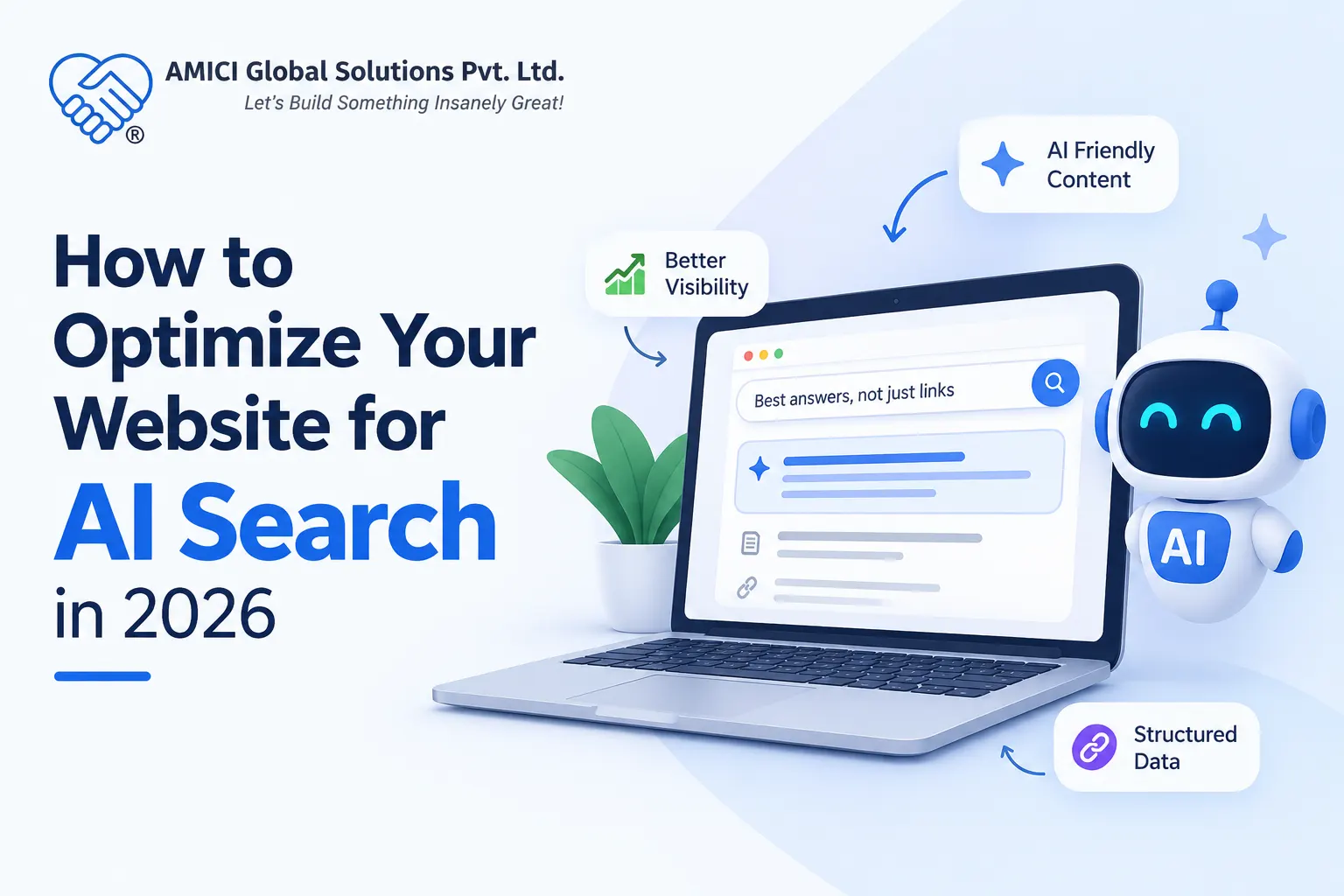
Generative Engine Optimization (GEO) — sometimes discussed alongside Answer Engine Optimization (AEO) — is the practice of optimizing content so AI systems like ChatGPT, Google AI Overviews, Gemini, and Perplexity choose to cite, summarize, or recommend your business when they generate an answer. Instead of ranking in a list, your brand's information gets pulled directly into a conversational response.
Definition
GEO is the discipline of making content clear, well-structured, and trustworthy enough that generative AI models select it as a source when writing answers to user prompts.
- Structured, quotable content — clear headings, direct answers, and scannable facts
- Authorship and expertise signals — visible author credentials and business credibility (E-E-A-T)
- Schema markup — structured data that helps AI crawlers understand context
- Consistent brand mentions — being referenced across multiple trusted sources, not just your own website
03GEO vs SEO: The Key Differences
| Aspect | SEO | GEO |
|---|---|---|
| Goal | Rank in search results | Get cited inside AI-generated answers |
| Platform | Google, Bing search pages | ChatGPT, Gemini, Perplexity, AI Overviews |
| Success metric | Rankings, organic clicks | Citations, brand mentions, AI visibility |
| Content style | Keyword-optimized pages | Direct, well-structured, fact-dense answers |
| Trust signal | Backlinks & domain authority | E-E-A-T, authorship, cross-source consistency |
04Why Businesses Can't Choose Just One in 2026
The search landscape has split
A growing share of buying research now starts inside an AI chat window instead of a search bar. But Google still handles the majority of transactional, local, and "near me" queries. Betting everything on one channel means losing visibility on the other — and most customers now move between both in the same buying journey.
What this means for local and small businesses
For businesses in competitive local markets — like a retail shop, coaching institute, or clinic trying to stand out in Delhi NCR — AI engines increasingly pull answers from websites that are already well-optimized for local SEO, so the two disciplines reinforce each other rather than compete. A business with strong technical SEO, active social media optimization, and clearly written service pages is simply easier for both Google and AI models to understand and recommend.
05Building a Combined GEO + SEO Strategy
A future-ready digital presence treats SEO and GEO as one connected system, not two separate projects. Here's what that looks like in practice:
- Fast, structured websites — a technically sound site built through professional web development and web design gives both Google and AI crawlers a clean structure to read
- Authoritative, well-organized content — expert content writing that directly answers real questions performs well in both rankings and AI citations
- Active social signals — consistent social media optimization builds the brand mentions and engagement AI models factor into trust
- Unified strategy — working with a full-service digital marketing partner keeps SEO, content, and social working toward the same visibility goals instead of pulling in different directions
Related Reading
Social content is one of the biggest trust signals AI engines look for. Read next: Why Social Media Content Matters for GEO and AI Search Rankings.
Conclusion
SEO and GEO aren't competing strategies — they're two halves of the same visibility problem in 2026. SEO keeps you found on Google; GEO keeps you found inside AI-generated answers. Businesses that invest in both, backed by strong technical foundations, authoritative content, and active social presence, are the ones AI models and search engines both choose to recommend. Ignoring either one now means losing a real share of future customers.
Frequently Asked Questions
Q. Is GEO replacing SEO in 2026?
No. GEO complements SEO — Google search still drives major traffic, while GEO captures visibility inside AI-generated answers and chat tools.
Q. What does GEO stand for in marketing?
GEO stands for Generative Engine Optimization — optimizing content so AI tools like ChatGPT and Gemini cite your business in answers.
Q. Do small businesses need GEO strategy?
Yes. Local businesses benefit when AI tools recommend them for "best near me" style prompts, alongside traditional local SEO efforts.
Q. How is AEO different from GEO?
AEO (Answer Engine Optimization) overlaps with GEO — both focus on structured, direct answers AI systems can extract and cite easily.
Q. How long does GEO take to show results?
Similar to SEO, GEO visibility builds over months as AI models re-crawl and re-index authoritative, consistently updated content sources.